Scientific and Technological Session on Agro-Industrial Development Held at Ualikhanov University
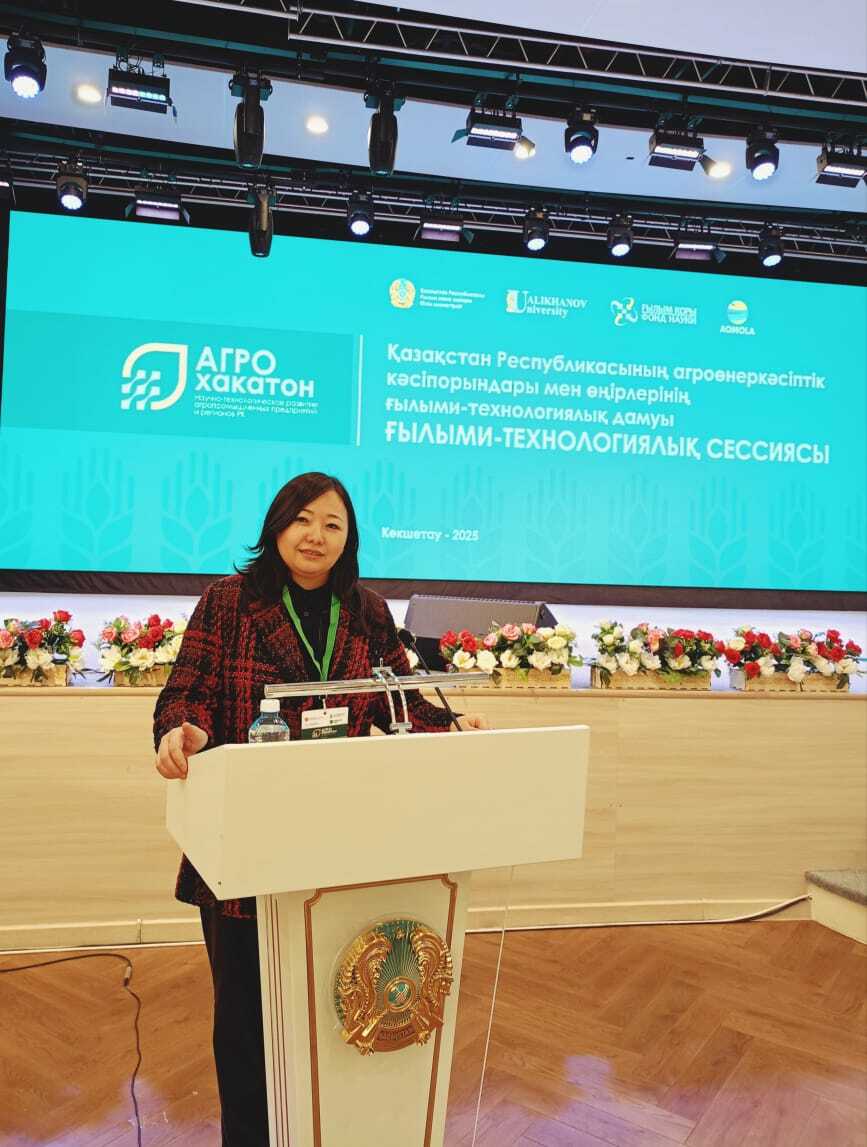


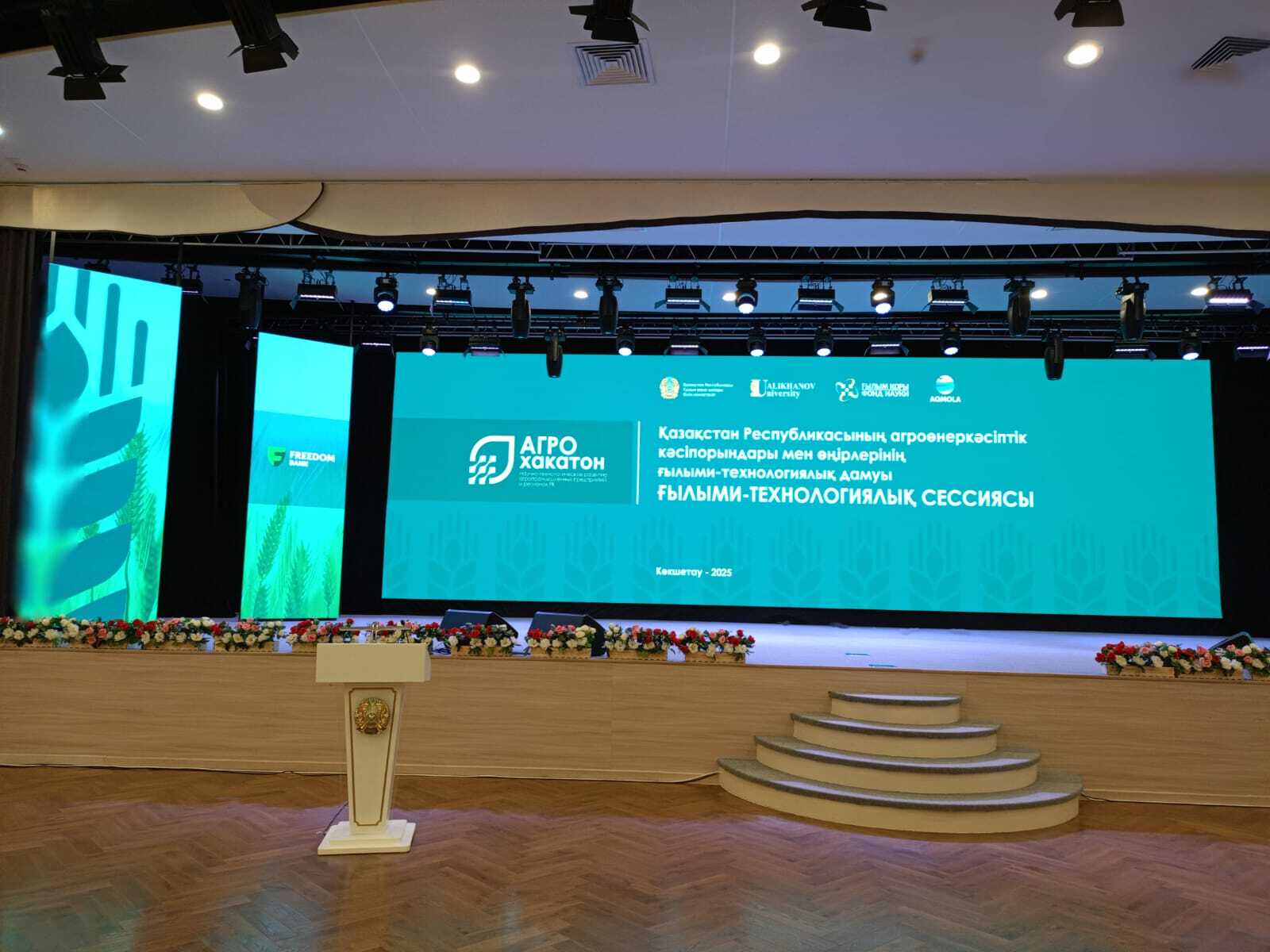
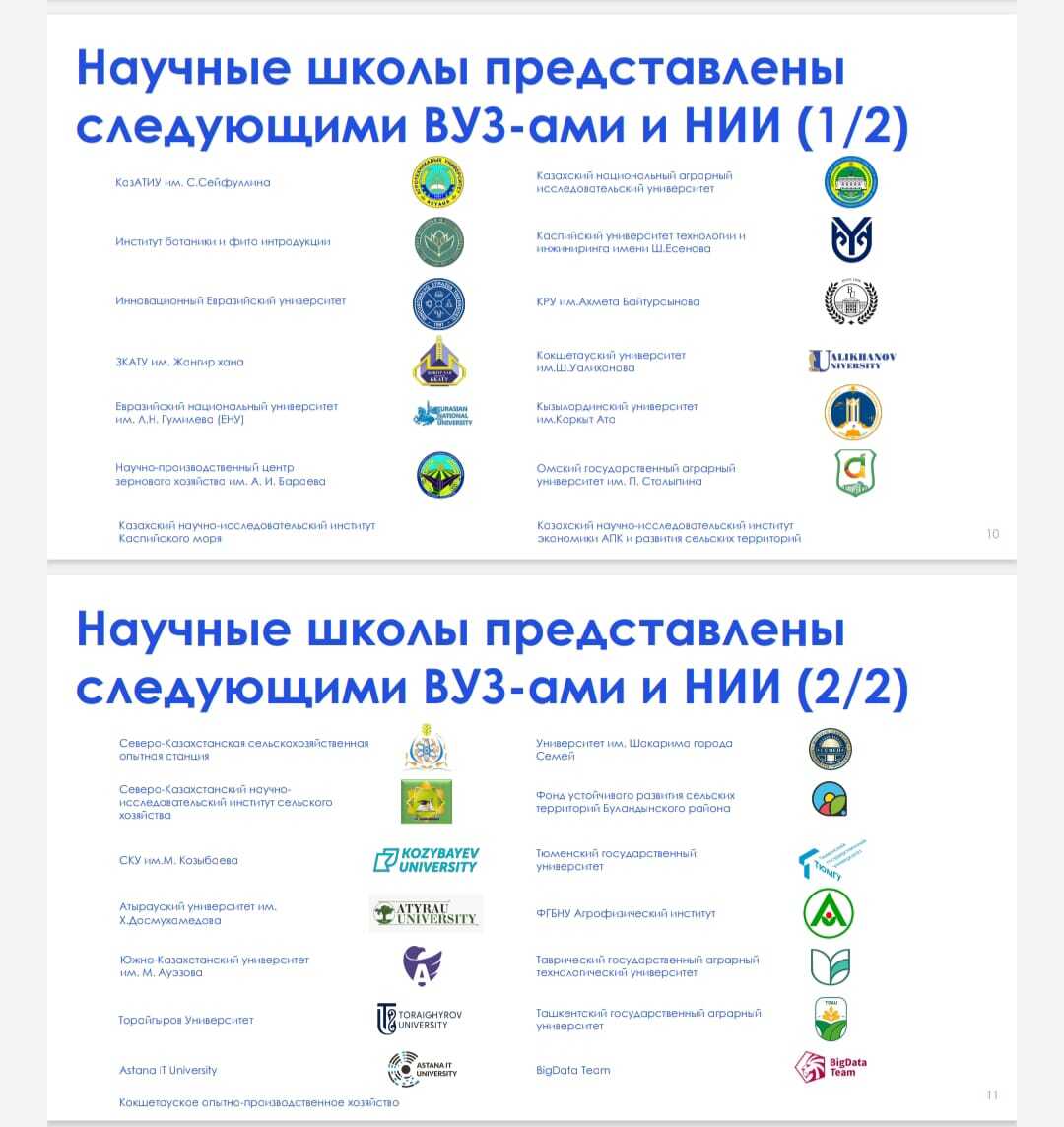
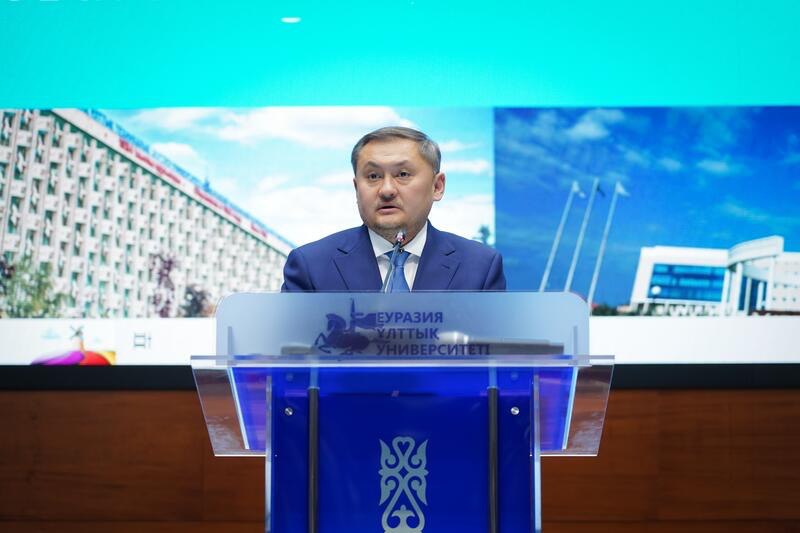
On November 28–29, Ualikhanov University, with the support of the Ministry of Science and Higher Education of the Republic of Kazakhstan, hosted the scientific and technological session “Scientific and Technological Development of Agro-Industrial Enterprises and Regions of Kazakhstan.” The event became an important platform for uniting the research community and representatives of the agricultural sector, fostering the development of technological solutions aimed at increasing the efficiency and sustainability of the country’s agro-industrial complex.
Kazakhstani and international scientists, industry experts, agro-industrial enterprises, and business representatives took part in the session. Strategic discussions, team-based development activities, and project workshops were held to explore innovative approaches to agricultural development. Particular attention was given to technology modernization, the introduction of digital tools, and the challenges posed by climate change.
During the two-day agri-hackathon, participants identified key tasks for further scientific and technological development of the agricultural sector, striving to balance production interests with the need for environmentally responsible land use.
Honored guests and participants included:
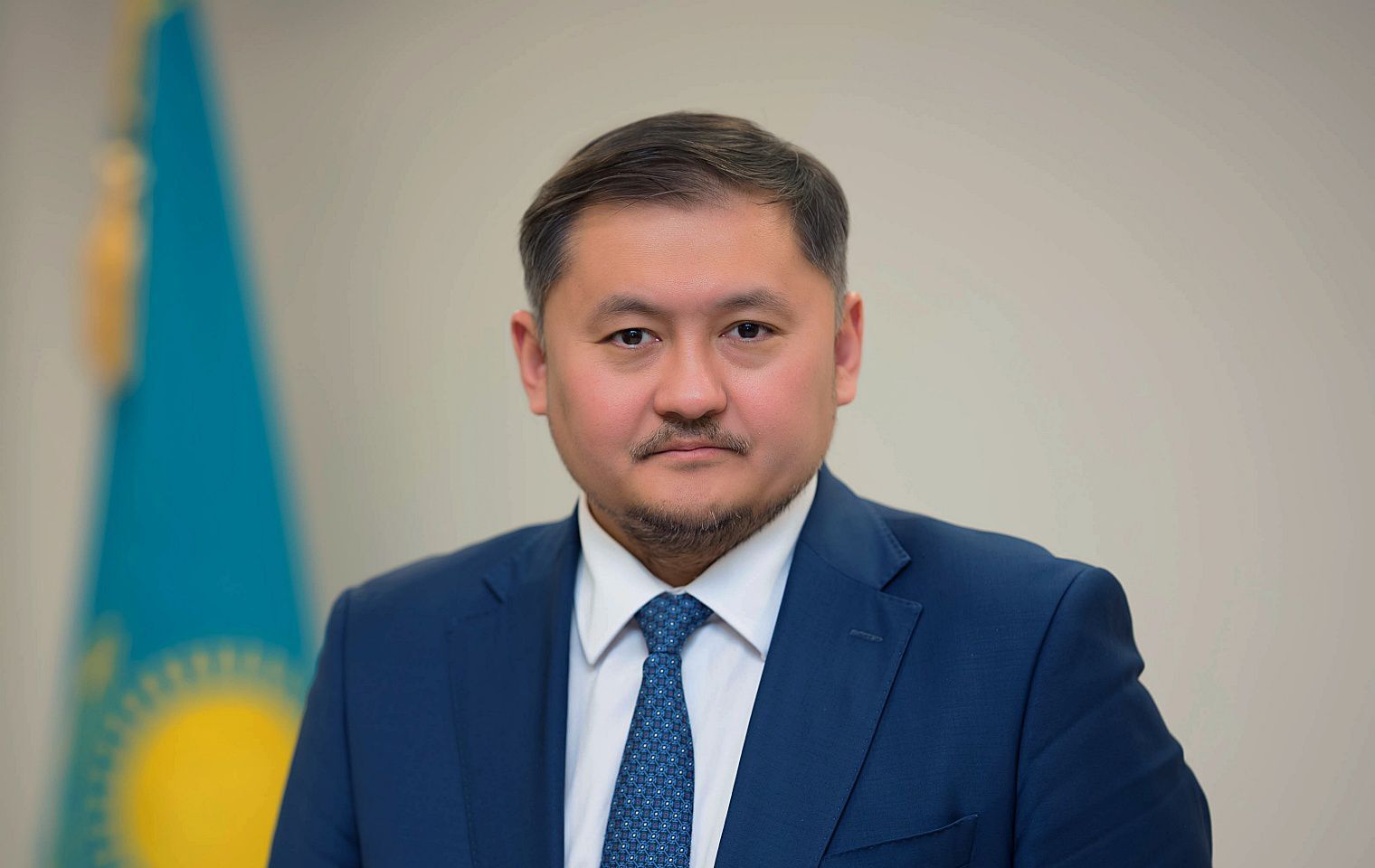
— Sayasat Nurbek, Minister of Science and Higher Education of Kazakhstan;
— Marat Syrlybayev, Rector of Ualikhanov University;
— Murat Balpan, Deputy Akim of Akmola Region.
The Minister emphasized the strategic importance of integrating science with the real sector:
“It is essential to hold such sessions that bring together the real sector and science, uniting business representatives, production companies, and local executive bodies on one platform.”
From our university, Professor Zhanetta Isayeva of the Department of Engineering and Industrial Technologies participated as a member of Working Group 1A, which focused on developing a program for soil protection and the rational use of agricultural lands in the Akmola Region. This area of work plays a critically important role in preserving soil fertility, ensuring sustainable land use, and strengthening the region’s food security.
The session marked a significant step in strengthening the role of scientific research as a driving force for regional development. The expert connections formed, conceptual solutions developed, and collaboration with the real sector lay the groundwork for future pilot projects, technological implementation, and the growing scientific impact of universities on the country’s economy.
Other news
The First Republican Forum of Young Scientists “Zhas Galym” Held in Astana
The First Republican Forum of Young Scientists “Zhas Galym” Held in Astana
Читать